
Florida’s Gopher Tortoise Relocation Efforts Under Scrutiny
News Summary Florida's gopher tortoise relocation efforts are facing criticism as a recent 15% decline in populations raises concerns about their effectiveness. Experts are advocating…
WHAT’S HAPPENING
- News Summary Florida's gopher tortoise relocation efforts are facing criticism as a recent 15% decline in populations raises concerns about their effectiveness. Experts are advocating…
News Summary
Florida’s gopher tortoise relocation efforts are facing criticism as a recent 15% decline in populations raises concerns about their effectiveness. Experts are advocating for in-situ protections instead, suggesting that relocating tortoises disrupts their natural habitats and increases mortality rates. As construction activities are paused to address these issues, developers seek quicker permits, highlighting the ongoing tension between environmental protection and economic growth. Public support for tortoise conservation has led to changes in zoning laws aimed at preserving critical habitats.
Florida’s Gopher Tortoise Relocation Efforts Under Scrutiny
Florida – Efforts to relocate gopher tortoises amid ongoing construction projects are facing increased scrutiny, as experts question the approach’s effectiveness in protecting the species. Recent data indicates a 15% decline in tortoise populations despite these relocation initiatives, highlighting potential flaws in the strategy.
At the forefront of concerns is the disruption caused by moving tortoises from their natural habitats. Conservation groups point out that such relocations can lead to higher mortality rates, as the tortoises struggle to adapt to new environments. This issue has prompted biologists to recommend in-situ protections, which involve safeguarding tortoises in their original locations rather than transporting them.
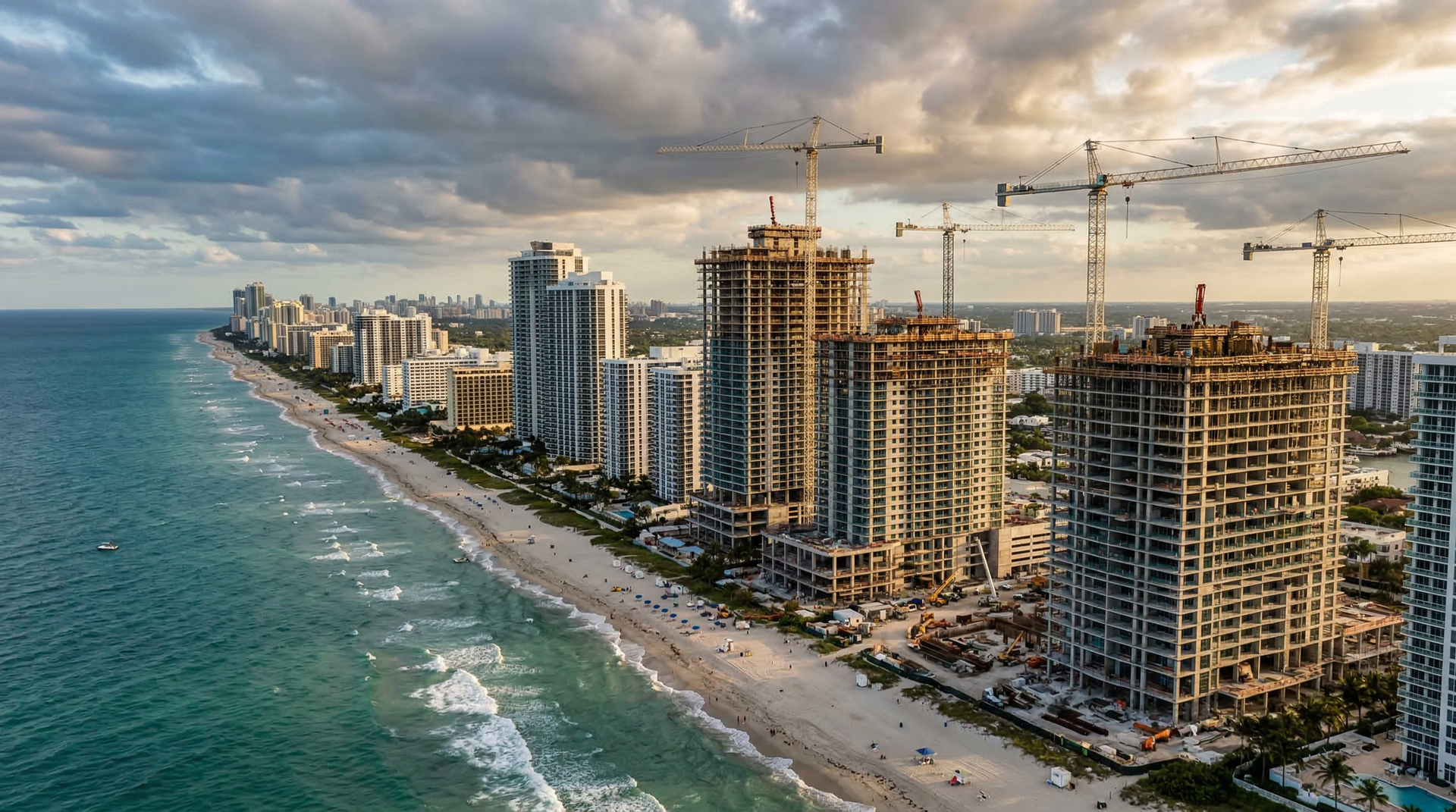
Construction activities in affected areas have been temporarily halted to address these concerns, but developers are advocating for quicker permit approvals to resume projects. This push comes amid a broader debate on balancing economic growth with wildlife preservation in Florida’s ecosystems.
Public opinion strongly supports tortoise conservation, which has influenced recent changes in zoning laws aimed at protecting critical habitats. Critics describe current relocation methods as costly and inefficient, arguing that resources could be better allocated to alternative strategies.
Ongoing studies in Florida’s Panhandle reserves are exploring more effective ways to manage tortoise populations, potentially offering solutions that could reduce conflicts between development and conservation efforts.
Supporting Details on Relocation Challenges
The 15% population decline, based on the latest monitoring data, underscores the urgency of reevaluating tortoise relocation practices. Gopher tortoises, a keystone species in Florida’s ecosystems, play a vital role in maintaining biodiversity by creating burrows that shelter other animals. Disrupting their habitats through relocation efforts may exacerbate threats like predation and disease exposure in unfamiliar areas.
Conservation experts emphasize that while relocations were intended as a stopgap measure for construction zones, the approach has not yielded the expected results. For instance, the stress of relocation can weaken tortoises, making them more susceptible to environmental hazards. Biologists advocate for in-situ protections, such as habitat restoration and barriers around construction sites, as more sustainable options.
Despite these recommendations, developers face delays that impact project timelines and costs. The halt in construction activities reflects regulatory responses to conservation pressures, but it also fuels calls for streamlined permitting processes to minimize economic disruptions.
Background on the Debate
Florida’s gopher tortoise relocation efforts stem from state regulations designed to mitigate the impact of development on endangered species. These initiatives began as a response to rapid urbanization, which has encroached on the tortoises’ preferred sandy habitats across the state. The species, listed under state protection, has seen its numbers dwindle due to habitat loss, making conservation a priority.
Public support for protecting gopher tortoises has grown, influencing policy decisions like updated zoning laws that restrict building in sensitive areas. This sentiment is driven by awareness campaigns highlighting the tortoises’ ecological importance and the broader implications for Florida’s biodiversity.
The debate also touches on the financial aspects, with critics noting that relocation programs are resource-intensive without guaranteeing long-term success. For example, the costs associated with capturing, transporting, and monitoring tortoises could be redirected toward habitat preservation efforts. Meanwhile, studies in the Panhandle are examining factors like soil conditions and predator dynamics to develop more targeted strategies.
This situation exemplifies the ongoing tension between Florida’s booming construction sector and environmental protection. As the state continues to experience growth in residential and commercial projects, finding a balance remains a key challenge for policymakers, developers, and conservationists.
In summary, the scrutiny of gopher tortoise relocation efforts reveals deeper issues in wildlife management amid development pressures. With a 15% population decline despite interventions, stakeholders are urged to consider alternatives that prioritize habitat integrity and long-term sustainability.
(Word count: 582)
FAQ Section
Frequently Asked Questions
- Q1: What is the main issue with Florida’s gopher tortoise relocation efforts? A1: Experts question their effectiveness in saving the species, as recent data shows a 15% decline in populations despite relocations.
- Q2: Why do conservation groups argue against relocating tortoises? A2: Conservation groups argue that moving tortoises disrupts natural habitats, potentially leading to higher mortality rates.
- Q3: What actions have been taken regarding construction in affected areas? A3: Construction in affected areas has been halted, but developers push for faster permit approvals.
- Q4: What do biologists recommend instead of translocation? A4: Biologists recommend in-situ protections over translocation.
- Q5: How has public opinion influenced the situation? A5: Public opinion favors tortoise conservation, influencing zoning laws.
- Q6: What might ongoing studies provide? A6: Ongoing studies in Panhandle reserves may provide better strategies.
- Q7: What do critics say about current methods? A7: Critics say current methods are costly and inefficient.
- Q8: What does this debate highlight? A8: This debate highlights the delicate balance between development and wildlife preservation in Florida’s ecosystems.
Key Features Chart
| Feature | Description |
|---|---|
| Population Decline | 15% decline in gopher tortoise populations despite relocation efforts. |
| Relocation Concerns | Disrupts natural habitats, leading to higher mortality rates. |
| Construction Impact | Projects halted, with developers seeking faster permits. |
| Recommended Approach | In-situ protections over translocation for better outcomes. |
| Public Influence | Strong support for conservation, affecting zoning laws. |
| Ongoing Research | Studies in Panhandle reserves may yield improved strategies. |
| Cost Efficiency | Current methods are costly and inefficient, per critics. |
| Broader Implication |