Orlando Highway Interchange Completion Boosts Connectivity
News Summary The Florida Department of Transportation announces the completion of a new highway interchange in Orlando, enhancing connectivity and aiming to reduce traffic congestion…
WHAT’S HAPPENING
- News Summary The Florida Department of Transportation announces the completion of a new highway interchange in Orlando, enhancing connectivity and aiming to reduce traffic congestion…
News Summary
The Florida Department of Transportation announces the completion of a new highway interchange in Orlando, enhancing connectivity and aiming to reduce traffic congestion by 20%. The project included upgrades such as widening three lanes and adding pedestrian pathways, with a total cost exceeding $150 million. Fully operational by October 10, 2025, this interchange is set to improve daily travel, boost tourism, and support economic activities while incorporating sustainable materials to minimize environmental impact.
Orlando Highway Interchange Completion Boosts Connectivity
Orlando, Florida, has seen the completion of a major new highway interchange, as announced by the Florida Department of Transportation. This project enhances connectivity in the rapidly growing area, aiming to improve daily travel for residents and visitors alike. Fully operational as of October 10, 2025, the interchange is expected to reduce traffic congestion by 20%, addressing one of the city’s key infrastructure challenges.
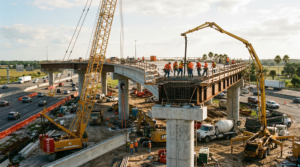
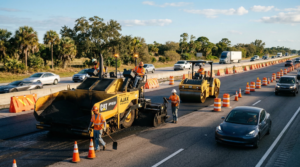
The initiative involved significant upgrades, including widening three lanes and adding pedestrian pathways, at a cost of over $150 million. These enhancements are designed to support smoother commutes and facilitate better access to businesses and tourist attractions. Local officials have noted that the project serves as a boost to tourism and business activities, potentially easing bottlenecks that have long affected the region.
Supporting details reveal that the interchange incorporates sustainable materials to minimize environmental impact, a key consideration in its design. Construction began last year and faced challenges such as variable weather conditions, yet the team managed to complete the work on schedule. Residents are already reporting benefits, with smoother traffic flows leading to reduced travel times and improved safety.
In the broader context, this interchange represents a significant step in southeastern Florida’s long-term urbanization plans. As the area continues to expand, projects like this one play a crucial role in accommodating population growth and economic development. The use of sustainable materials aligns with ongoing efforts to balance infrastructure needs with environmental protection, ensuring that future developments are both efficient and eco-friendly.
Further expanding on the project’s scope, the $150 million investment not only covers the physical construction but also includes planning and implementation phases that prioritized community needs. The widening of three lanes addresses the increasing volume of vehicles in Orlando, a city known for its high tourism traffic. Additionally, the addition of pedestrian pathways promotes safer walking routes, encouraging alternative modes of transportation and supporting public health initiatives.
From a traffic perspective, the anticipated 20% reduction in congestion is based on preliminary studies that modeled the interchange’s impact on peak-hour travel. This improvement is expected to have ripple effects, such as decreased fuel consumption and lower emissions, contributing to a more sustainable urban environment. The project’s completion marks a milestone in infrastructure development, reflecting adaptive strategies to overcome construction hurdles like weather delays.
Looking ahead, this interchange fits into southeastern Florida’s broader urbanization framework, which focuses on integrating transportation upgrades with economic and environmental goals. By enhancing connectivity, the project supports the region’s growth while addressing modern challenges like urban sprawl and climate resilience. Overall, this development underscores the importance of strategic investments in public infrastructure to foster community well-being and economic progress.
To provide more depth, the use of sustainable materials in the construction process involved selecting options that reduce carbon footprints, such as recycled components and energy-efficient designs. This approach not only minimizes environmental harm but also sets a precedent for future projects in the area. As Orlando continues to evolve, such initiatives will likely inspire similar efforts across southeastern Florida, promoting a network of interconnected and resilient transportation systems.
In summary, the new highway interchange in Orlando stands as a testament to effective infrastructure planning. With its focus on reducing congestion, enhancing safety, and incorporating green practices, it offers a model for addressing the demands of a growing urban population. This project not only improves daily life for locals but also positions the region for sustained development in the years ahead.
FAQ
What is the main project announced in Orlando?
The Florida Department of Transportation announced the completion of a new highway interchange in Orlando.
What enhancements were made to the highway interchange?
The project involved widening three lanes and adding pedestrian pathways.
How much did the highway interchange project cost?
The project cost over $150 million.
What is the expected impact on traffic?
The interchange is expected to reduce traffic congestion by 20%.
When did construction begin and when was it completed?
Construction began last year and the interchange is fully operational as of October 10, 2025.
How does the project benefit the area?
It enhances connectivity for the rapidly growing area and serves as a boost to tourism and business.
What measures were taken for environmental impact?
Sustainable materials were used to minimize environmental impact.
What is the broader significance of this project?
It marks a significant step in southeastern Florida’s long-term urbanization plans.
Key Features Chart
| Feature | Description |
|---|---|
| Cost | Over $150 million |
| Lanes Widened | Three lanes |
| Pedestrian Pathways | Added for safer access |
| Traffic Reduction | Expected to reduce congestion by 20% |
| Environmental Aspect | Sustainable materials used |
| Completion Date | October 10, 2025 |
| Broader Impact | Boost to tourism and business in southeastern Florida |
Deeper Dive: News & Info About This Topic
Construction FL Resources
Central Florida Expressway Authority Unveils $4.2 Billion Plan
Deeper Dive: News & Info
HERE Construction Network
Upcoming FL Construction Events

Author: James Rivera
Infrastructure Reporter. Covers FDOT contracts, highway expansion, and transit projects across Florida. Former civil engineer with 12 years in highway design before transitioning to construction journalism.